Wine Tasting With Confidence
Start Here
Wine tasting doesn’t have to be intimidating. You don’t need an expert palate, the “right” words to describe what you’re tasting or even much knowledge about wine. You just need to be curious and open to where your senses might take you: a flavor, a memory, a place or something completely unexpected.
The point of wine tasting
A tasting is your opportunity to explore, ask questions, discover something new and, most importantly, figure out what you like. A little knowledge about what to expect can make the experience even more enjoyable. Wherever you are on your wine journey, tasting gives you a chance to build confidence, make the experience your own and perhaps discover something you didn’t expect.
Choose your experience

Most wineries offer several ways to taste, from a standard flight to reserve, estate, library, barrel or cave experiences. Choose what interests you and fits your budget and how you want to spend your time. Want to walk the grounds, take a tour or go straight to the wine? Start with the experience the winery has prepared for you, but stay open to where the tasting may lead.
Know before you go
Every winery does things a little differently. Tasting fees, reservations, the length of your tasting and purchase requirements can vary, as can policies about children, pets and outside food. Some wineries offer food or pairing experiences that must be ordered in advance. And if you need special accommodations, ask when you book. If something is important to you, check before you go. Fewer surprises mean more time to simply enjoy the experience.
Let them lead
Ask lots of questions
Your host or wine educator knows what’s being poured, so let them guide you through the tasting you selected. That’s the experience the winery has prepared for you, but it doesn’t necessarily define where the tasting will end. As you taste, talk. Share what you enjoy, ask questions and stay curious. Sometimes that leads to something unexpected: another varietal, a different vintage or a wine you never would have chosen for yourself.
Ask lots of questions
Ask lots of questions

There are no dumb wine questions. Ask about the grapes, the place, the winemaker, why something tastes the way it does or what your host loves. Take notes if you want to remember a wine, and don’t hesitate to ask to revisit something that stood out. The more you engage, the more you can get from the experience. Don’t be shy. Lean into it.
Drink it all in
Every tasting is different
Every tasting is different
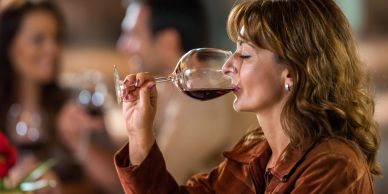
Wine tasting is about more than what’s in your glass. Pay attention to what you see, smell, taste, hear and feel. The wine, the setting and the people around you can evoke a memory, a place or a feeling you’ll associate with that wine long after the tasting is over. You don’t need to experience what someone else does. Notice what the wine brings out in you.
Every tasting is different
Every tasting is different
Every tasting is different
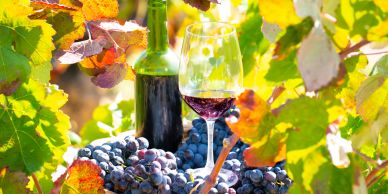
The same wine can create a completely different experience on another day, in another place or with different people. What you’ve eaten, your surroundings, where you are in your day and even your mood can influence how a wine lands. That’s part of what makes tasting interesting. Wine doesn’t exist in a vacuum, and neither does your palate.
Find what speaks to you
Every tasting is different
Find what speaks to you
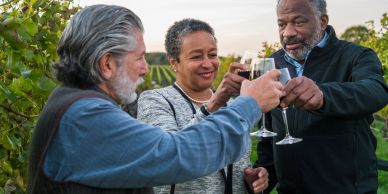
Not every wine will speak to you, and that’s part of the tasting experience. Not liking a wine doesn’t mean you don’t understand wine, and preferring a less expensive bottle to a reserve doesn’t mean your palate needs work. Your taste is your taste. Stay open to discovery at every price point and trust what speaks to you. And if what speaks to you costs less, you might just get to take home a few extra bottles.
Buy what you love
Find what speaks to you

Purchase wine because you want to drink it again, not because you feel obligated after a tasting. Think about how you want to enjoy it. Is it a bottle for dinner next week, something to share with friends, save for a special occasion or add to your collection? If you plan to hold onto it, ask whether it will benefit from aging. Not every wine is made to age, and older doesn’t automatically mean better.
Getting it home

If you’re tasting away from home, think about how you’ll get your wine back home before you buy. Many wineries can ship directly to you, depending on where you live. If you plan to carry it yourself, check your airline, cruise line or other transportation policies and costs first. A great deal on a case of wine may not feel quite as great when you discover an unexpected fee getting it home.
Want the wine to keep flowing? Consider adding to your collection through club membership.
What to know before you join
Get a taste of the world

Some of the best wine experiences happen when you aren’t looking for them. A restaurant. A wine bar. Dinner with a winemaker. A bottle someone insists you try. Or, in my case, a hotel bar outside Lyon, France, at midnight on Christmas morning, with snow falling outside and a bartender eager to share some of his favorite French wines.
Stay curious. Sometimes the tasting finds you.
Join the journey!
Thank you for visiting. Always drink responsibly.